
- How Do You Plan a Small Bathroom Remodel for Maximum Success?
- What Layout Changes Can Make a Small Bathroom Feel Bigger?
- How Can Lighting and Color Transform a Compact Bathroom?
- Which Materials and Fixtures Work Best in Small Bathrooms?
- How Do You Choose the Right Team for a Bathroom Renovation?
- What Sustainable Choices Should You Consider in Bathroom Remodeling?
- How Can You Keep a Small Bathroom Remodel Within Budget?
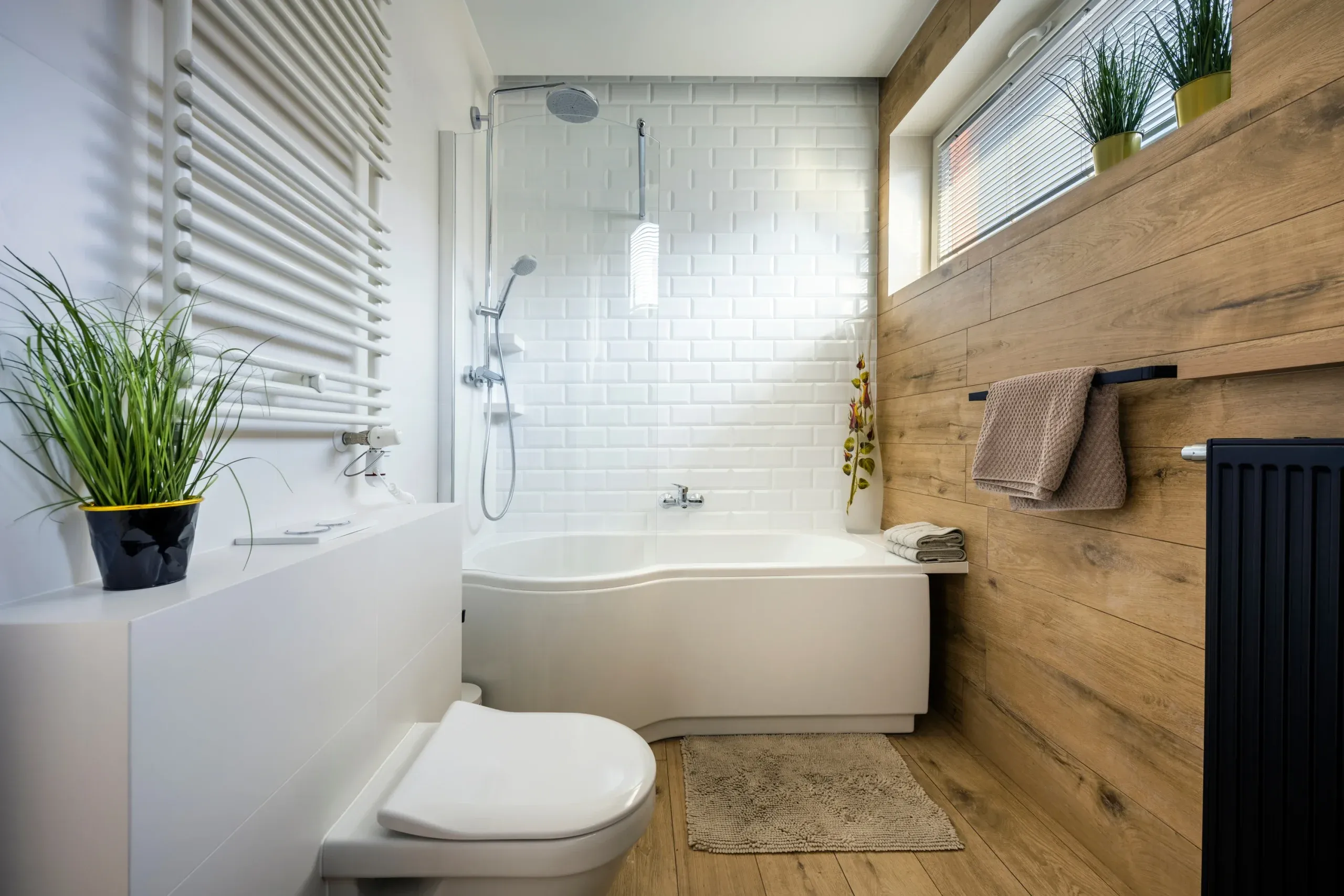
The process of renovating a bathroom, particularly one with a small footprint, is often viewed as a restrictive exercise in compromise. Many homeowners believe that limited square footage equates to limited design potential. This could not be further from the truth. A compact bathroom provides a unique opportunity to focus on high-quality materials, precise craftsmanship, and innovative storage solutions that might become prohibitively expensive in a larger space. When you are restricted by walls, every square inch earns its keep, and the result is often more cohesive, functional, and striking than a sprawling, disjointed master suite.
To successfully execute a small bathroom remodel, you must shift your perspective. Instead of trying to force standard fixtures into an awkward arrangement, view the project as an architectural puzzle. By prioritizing flow, light, and smart storage, you can transform a cramped, outdated room into a sanctuary that feels intentionally curated rather than merely small.
1. The Strategic Planning Phase: Foundation for Success
Before you select a single tile or faucet, you must understand the constraints and possibilities of your existing plumbing. In a small bathroom, the location of the drain lines, the toilet flange, and the water supply valves often dictate the layout more than your personal preferences do. Moving plumbing is expensive, and while it is possible, it should only be done if the current arrangement is fundamentally dysfunctional.
Start by creating a detailed floor plan. You do not need professional software for this. A simple piece of graph paper works perfectly. Measure your walls, the swing of the door, and the precise location of every plumbing fixture. If your bathroom door swings inward, it is likely wasting precious space. Consider a pocket door or a barn door if the configuration allows. This simple change can gain you several square feet of usable floor area.
Budgeting is your next critical step. Small bathrooms are deceptive. While you are buying less material, the labor and the complexity of installation remain high. Because the space is small, you have fewer places to hide imperfections. This means your tradespeople need to be highly skilled. When you are searching for professionals, do not just look at the price tag. Look for experience in tight-space logistics. If you are starting your search online by typing bathroom remodeling near me, make sure to filter the results by those who provide detailed case studies of similar small-scale renovations.
Create a spreadsheet to track your costs. Include a buffer of at least 20 percent for the unexpected issues that inevitably arise when opening up walls in older homes. This is especially relevant if you are working with homes built before a certain era, as you may encounter outdated electrical wiring or plumbing that requires immediate remediation to meet current safety standards. Permits are also a non-negotiable part of this phase. Ensure your project scope includes the necessary filings with your local building department, as this protects you against liability and ensures your investment complies with all safety codes.
2. Optimizing Layout and Spatial Flow
The primary goal in a small bathroom is to maintain an open visual line. The more floor you can see, the larger the room will feel. This is why floating vanities are so popular in small-space design. By lifting the vanity off the floor, you reveal the tile underneath, which tricks the eye into perceiving more square footage. If you need storage, you can incorporate a shallow drawer, but avoid anything that reaches the ground.
Consider the shower versus tub debate. Many homeowners cling to the idea of a bathtub in every bathroom, but if the tub is rarely used, it is a significant waste of space. Replacing a standard tub with a glass-enclosed, walk-in shower can open up the room dramatically. Use frameless glass panels to minimize visual clutter. A shower curtain, while practical, cuts off the room and creates a visual barrier that stops the eye at the edge of the tub. Glass allows light to pass through the entire space, making the back wall of the shower visible from the doorway.
If you absolutely must have a bathtub, consider a soaking tub that is smaller in length but deeper, or a Japanese-style tub. These options allow for a relaxing bathing experience without consuming the entire length of the room.
Another critical layout strategy is the integration of the toilet. Ideally, the toilet should not be the first thing you see when you open the door. If the plumbing allows, tuck it away or shield it with a partition wall. If that is not possible, focus on choosing a sleek, low-profile toilet design that does not overwhelm the space with unnecessary bulk. Furthermore, consider the “wet room” concept. By waterproofing the entire bathroom, you can eliminate the traditional shower enclosure, allowing the shower head to be placed anywhere in the room. This is a game-changer for extremely small rooms where a separate shower stall would dominate the floor plan.
3. Visual Magic: Lighting and Color Theory
In a small space, lighting is not just functional; it is a design element that can make the walls feel like they are receding. Avoid relying solely on a single overhead light fixture, which casts harsh shadows and makes the corners of the room feel dark and claustrophobic. Instead, layer your lighting. Use recessed lighting for general illumination, but add wall sconces on either side of the mirror to provide even, flattering light for grooming. Pay attention to the color temperature of your bulbs. Use warm white lighting, around 2700K to 3000K, to create a welcoming atmosphere that does not feel clinical or cold.
If your bathroom lacks natural light, you must be very intentional with your color palette. Light, neutral tones like white, cream, or soft gray are the standard recommendation because they reflect light. However, do not be afraid of using monochromatic dark colors if you want a moody, sophisticated look. A dark, saturated color can blur the boundaries of the walls, making the corners of the room disappear. If you choose to go dark, ensure you have excellent lighting to prevent the space from feeling like a cave.
Mirrors are your greatest ally. A large, frameless mirror that extends from the vanity backsplash to the ceiling can effectively double the visual depth of the room. If you have the budget, consider a medicine cabinet that is recessed into the wall. This gives you the storage of a cabinet without the protrusion of a box into your limited space. The mirror should reflect the brightest part of the room, such as a window or a well-lit wall, to maximize the sense of openness. Additionally, incorporate reflective surfaces like chrome or brushed nickel hardware to bounce light around the room, adding a layer of subtle sparkle that prevents the space from feeling flat.
4. Materials and Fixtures: Scale and Durability
There is a common misconception that small bathrooms require small tiles. This is often the opposite of the truth. Using tiny tiles with many grout lines creates a grid pattern that highlights the smallness of the space and can make the room feel cluttered. Large-format tiles, on the other hand, reduce the number of grout lines, resulting in a cleaner, more seamless look that expands the space.
When selecting hardware, scale is everything. If you have a tiny vanity, avoid massive, heavy faucets that look oversized. Look for sleek, streamlined fixtures that do not demand too much attention. If you are interested in a high-end, luxurious aesthetic, you might look toward the design principles found in high-end projects like Villa Bathroom Remodeling. This style often focuses on clean lines, high-quality stone, and minimalist hardware, which are perfect for small bathrooms because they create a sense of refined calm rather than chaotic energy.
Durability is paramount in a small, humid environment. Because the bathroom is small, steam will fill the room much faster than in a large bathroom. You must choose materials that can withstand constant moisture. Natural stone is beautiful, but it requires sealing and maintenance. Porcelain tile is an excellent, low-maintenance alternative that can mimic the look of stone or wood. Ensure your grout is high-quality and moisture-resistant to prevent staining and mold growth over time. Furthermore, consider using quartz or solid surface materials for countertops, as they are non-porous and significantly easier to clean than natural marble.
Do not neglect the importance of ventilation. In a small bathroom, a high-quality exhaust fan is not optional. It is essential. Proper ventilation will prevent the buildup of moisture, which is the primary cause of paint peeling, mold, and damage to your fixtures. Install a fan that is rated for the size of your bathroom and ensure it vents directly to the outside of your home, not just into the attic.
5. Executing the Vision: Finding the Right Team
Once you have your design plan, your material list, and your budget, you face the task of execution. While some homeowners are capable of basic DIY tasks like painting or installing hardware, a full bathroom remodel involves plumbing, electrical, tile work, and potentially structural changes. These trades require specific licenses and insurance to ensure the work is done to code and will stand the test of time.
If you are located in a major metropolitan area and are looking for professionals, your search for remodeling contractors Chicago should involve more than just looking at reviews. You need to interview candidates. Ask them about their specific experience with small bathrooms. A contractor who specializes in large, open-concept kitchens may not be the best fit for the intricate detail work required in a sixty-square-foot bathroom. Ask if they have handled tight-space projects where maneuvering materials was difficult, as this tests their problem-solving capabilities.
Ask to see their portfolios. Look for consistency in their finish work. How do they handle tile transitions? Are the corners perfectly aligned? Does the caulking look clean? These small details are what separate a mediocre remodel from an exceptional one. When you interview them, observe their communication style. Do they listen to your vision, or do they push their own agenda? You want a partner who respects your design goals but has the technical expertise to tell you if a specific idea is not feasible due to plumbing or structural constraints.
Communication is key throughout the project. Establish a schedule and a clear chain of command. Know who will be on-site each day and what the expectations are for cleanliness. A renovation is inherently messy, but a professional crew will take steps to protect your floors, seal off the work area to minimize dust, and clean up at the end of every day. Clear documentation of change orders is also vital. Any deviations from the original plan should be written down and signed to prevent confusion regarding costs and timeline later on.
6. Sustainable and Eco-Conscious Choices
Modern bathroom remodeling should prioritize sustainability, even in a small space. Small bathrooms are the ideal candidates for high-efficiency fixtures because the relative impact on your utility bills is often significant. Consider installing low-flow toilets, which use substantially less water per flush without compromising performance. Modern dual-flush models are particularly effective and space-efficient.
When choosing materials, look for options that are sustainably sourced or manufactured with low volatile organic compounds (VOCs). Low-VOC paints are essential in a small, enclosed bathroom to maintain air quality. Furthermore, consider the lifespan of the materials you select. Choosing high-quality, durable materials that do not need to be replaced for decades is inherently more sustainable than opting for cheap, trendy items that end up in a landfill within a few years. LED lighting is another obvious choice, as it consumes a fraction of the energy of traditional bulbs and generates less heat, which is a major advantage in a tiny, steamy room. By integrating these small-scale efficiencies, you can significantly reduce your environmental footprint while maintaining a luxurious aesthetic.
7. Budget Management Strategies
It is easy for a remodeling budget to spiral out of control if you are not tracking every expense. To manage costs effectively, create a hierarchical budget. Allocate the largest portions of your funds to the elements you interact with most frequently and those that are hardest to change later. This means prioritizing high-quality tile, faucets, and vanities over decorative accents like lighting fixtures or mirrors, which can be upgraded later.
When purchasing materials, always check for “in-stock” availability. Special ordering custom items often leads to shipping delays and storage headaches, which can increase your labor costs if contractors are left waiting for parts. If you are aiming for a luxury look on a budget, consider “mixing” your materials. Use a premium, expensive tile for a feature wall or a shower niche, and surround it with a high-quality, but more affordable, neutral tile. This provides the desired visual impact without the associated cost of tiling the entire room with high-end stone.
Another effective budget tactic is to retain as much existing infrastructure as possible. If the plumbing is functional and the location of the fixtures serves your needs, do not move them. The cost of relocating drains and water lines is often one of the largest expenses in a remodel. Keep the floor plan as consistent as possible, and focus your budget on surface-level improvements that offer a high return on investment.
Final Thoughts on Small Bathroom Remodeling
Remodeling a small bathroom is a test of creativity and discipline. It forces you to make decisions that prioritize what you truly need and what you truly value. By removing the unnecessary and focusing on high-quality design, you can create a space that feels expansive, luxurious, and perfectly suited to your lifestyle.
Whether you are aiming for a spa-like retreat or a clean, modern powder room, the principles remain the same. Plan meticulously, respect the limitations of your plumbing, choose materials for durability and aesthetics, and hire professionals who understand the nuances of small-space construction. Your small bathroom has the potential to be one of the most impactful rooms in your home, proving that you do not need acres of space to make a grand statement. With the right approach, you will find that the constraints of a small room are not a barrier, but rather the very thing that makes the end result so rewarding. Focus on the details, keep your vision clear, and you will achieve a renovation that serves you well for many years to come. By applying these strategic insights and avoiding common mistakes, you can turn your limited space into a high-performance, visually stunning masterpiece that adds value to your property and comfort to your daily life.